
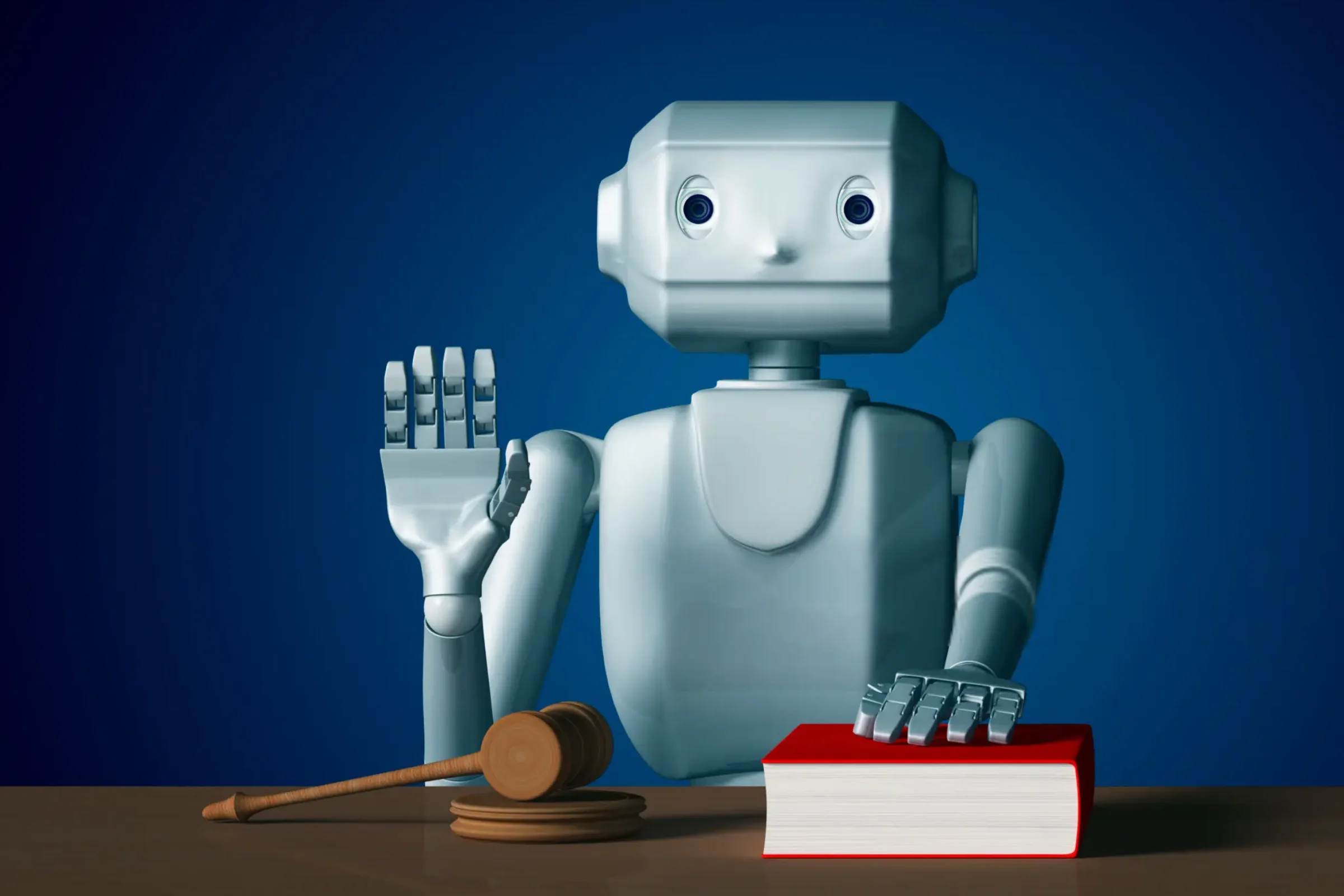
AI is a powerful analytical engine, exceptional at identifying patterns and probabilities across vast amounts of data. However, it remains limited in judgment, context, and originality, areas that require human insight and experience. For that reason, while AI should play a meaningful role in informing decisions, strategy itself should be guided by people, not delegated to machines.
Agencies that ignore AI are outdated. Agencies that over-rely on AI come off as incompetent. Marketing agencies that integrate AI but lead with human judgment are sophisticated.
Current AI Is Powerful, But Not a Strategist
Artificial intelligence has transformed the marketing landscape. From advanced data processing to real-time analytics, AI allows agencies to move faster, uncover patterns, and measure performance with unprecedented precision. At our agency, we fully embrace AI where it delivers the most value: data and analytics.
But when it comes to strategy and planning, we draw a clear line. Why?
Great strategy isn’t just about data or checklists. It’s about judgment, accountability, and foresight.
AI Excels in Data, Speed, and Pattern Recognition
AI is exceptionally good at processing large volumes of information. It can analyze campaign performance, identify trends, segment audiences, and surface insights that would take humans significantly longer to uncover. We leverage these capabilities to ensure every decision is informed by accurate, timely data.
Artificial intelligence can helps us answer questions like:
- What happened?
- Where did performance shift?
- Which audiences are responding right now?
That’s powerful. But it’s only part of the equation.
The Limits of AI in Strategy
Despite its strengths, AI has fundamental limitations… especially when it comes to shaping the future.
AI is backward-looking.
AI is excellent at forecasting within known patterns, but weaker at anticipating fundamentally new ones.
It learns from historical data. Even predictive models are ultimately extensions of past behavior. But markets don’t move in straight lines, and breakthroughs rarely come from repeating what already worked.
AI is not accountable.
AI can create an illusion of certainty without ownership, which makes human accountability more (not less!) critical.
A strategy carries risk. It requires ownership, conviction, and the ability to stand behind decisions when conditions change. AI can generate recommendations, but it cannot take responsibility for outcomes.
AI doesn’t understand human nuance.
AI can model behavior, but it doesn’t understand meaning, motivation, or cultural context the way humans do.
People are not datasets. Culture shifts. Emotions evolve. Context matters. The difference between a campaign that resonates and one that falls flat often lies in subtle human insights (intuition, empathy, and lived experience) that AI cannot fully replicate.
AI cannot truly foresee market evolution.
AI can signal where the market is heading, but not where it could be redefined.
Disruption, creativity, and innovation don’t emerge from patterns alone. They come from challenging assumptions, spotting weak signals, and imagining what doesn’t yet exist.
Strategy Requires Human Thinking
Effective marketing strategy is both analytical and interpretive. It requires asking better questions, not just finding faster answers.
That’s why our approach is intentionally hybrid:
- AI informs the “what”
- Humans define the “why” and “what’s next”
Our strategists use data as a foundation, but they rely on experience, creativity, and critical thinking to chart a path forward. They consider competitive landscapes, brand voice, cultural relevance, and long-term positioning. These factors extend beyond what algorithms can quantify.
The Right Balance
We’re not rejecting the current capacities of artificial intelligence. We simply must be thoughtful about how it is used.
By letting AI do what it does best, we free our team to focus on higher-level thinking. The result is smarter insights, stronger strategies, and more meaningful outcomes for our clients.
Because in the end, success isn’t just about knowing what worked yesterday.
It’s about having the clarity and courage to decide what to do next.